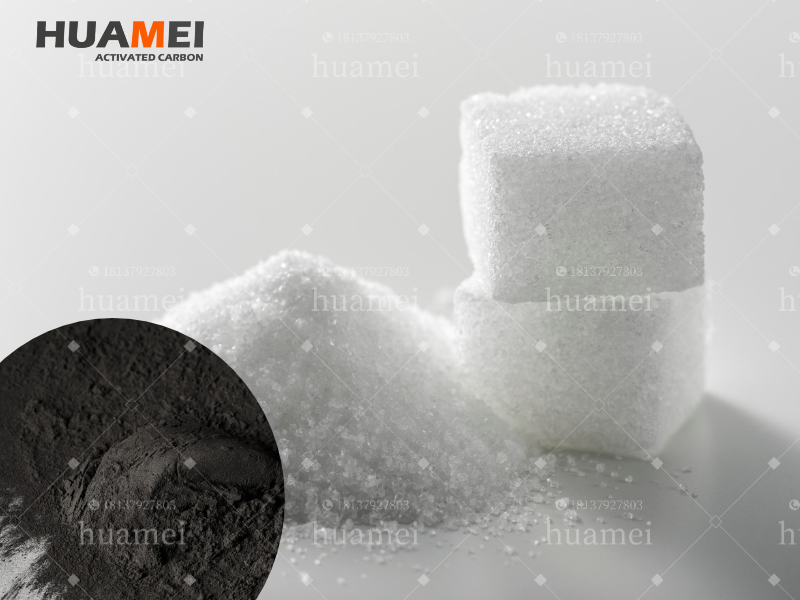
Powder activated carbon (PAC) is activated carbon ground to a fine particle size — typically 80% passing 200 mesh (75 µm) or finer. Unlike granular activated carbon (GAC) that sits in a fixed bed, PAC is dosed directly into liquid streams, mixed, and then removed by settling or filtration.
PAC is the fastest and most flexible way to add activated carbon treatment to any process. No vessels, no plumbing changes — just dose and filter. This guide covers PAC types, specifications, applications, and how to source it for your operation.
| Factor | PAC (Powder) | GAC (Granular) |
|---|---|---|
| Contact method | Dosed into liquid,
mixed, filtered out |
Liquid flows througha fixed
carbon bed |
| Capital cost | Low — needs only a dosing system and
existing clarifier/filter |
High — needs adsorption vessels,
piping, backwash system |
| Operating cost | Higher carbon consumption per volume treated | Lower carbon consumption
(longer contact time, better utilization) |
| Best for | Intermittent dosing, seasonal events, emergencies,
taste/odor control, decolorization |
Continuous treatment, large
volumes, trace contaminant polishing |
| Carbon reuse | Typically single-
use (removed with sludge) |
Can be reactivated and reused
multiple times |
| Flexibility | High — adjust dose
rate instantly based on conditions |
Fixed — bed changeout needed to
adjust capacity |
| Particle size | 80%+ passing 200 mesh (75 µm) | 8×30, 12×40, or similar mesh
ranges |
Rule of thumb: Use PAC when you need flexible, on-demand treatment without capital investment in adsorption vessels. Use GAC when you have continuous treatment needs and want lower long-term carbon costs through bed reactivation.

| Tipo | Materia prima | Key Characteristics | Typical Applications |
|---|---|---|---|
| Wood-based PAC | Sawdust,
wood chips |
High mesopore volume,
excellent decolorization, lower density |
Sugar refining, food/beverage
decolorization, pharmaceutical purification |
| Coal-based PAC | Bituminous or
lignite coal |
Balanced micropore
/mesopore, good all-round adsorption, cost-effective |
Municipal water treatment,
industrial wastewater, general purpose |
| Coconut shell PAC | Coconut shell | High micropore volume,
high hardness (less relevant for powder), highest cost |
Pharmaceutical, food-grade
applications requiring high purity |
For most industrial applications, wood-based PAC is the default choice. Its high mesopore volume makes it the best decolorizer, and it's produced through phosphoric acid activation which gives it naturally high mesopore content. Coal-based PAC is preferred for water treatment where broad-spectrum adsorption matters more than decolorization.
| Parámetro | What It Measures | Typical Spec Range | Why It Matters |
|---|---|---|---|
| Número de yodo | Micropore adsorption
capacity (ASTM D4607) |
800–1200 mg/g | Higher = better for small
molecule removal (taste, odor, solvents) |
| Methylene blue
number |
Mesopore adsorption
capacity |
120–280 mg/g | Higher = better for
decolorization (large color molecules adsorb in mesopores) |
| Particle size
(passing 200 mesh) |
Fineness | 80–95% | Finer = faster adsorption
kinetics but harder to filter out |
| Humedad | Water content | ≤10% | You're paying for carbon,
not water |
| Contenido en cenizas | Inorganic mineral
residue |
3–15% | Lower ash = higher purity,
critical for food/ pharma applications |
| pH | Acid or alkaline
character |
3–5
(acid-activated) or 8–11 (steam-activated) |
Must match
process pH requirements |
| Iron content | Fe contamination | <0.1% for
food grade |
High iron causes
discoloration in some food processes |
The two most important specs for PAC selection:

| Aplicación | Recommended PAC Type | Key Spec | Typical Dose Rate |
|---|---|---|---|
| Municipal drinking
water (taste/odor) |
Coal-based or
wood-based |
Iodine ≥900 mg/g | 5–30 mg/L |
| Decoloración del azúcar | Wood-based
(phosphoric acid activated) |
MB ≥200 mg/g,
low ash |
0.1–0.5% by
weight of sugar |
| Edible oil refining | Wood-based,
acid-washed |
MB ≥180 mg/g,
low iron |
0.5–2% by
weight of oil |
| Farmacéutico
purification |
Coconut shell or
wood-based, food grade |
Low ash, low iron,
USP/EP grade |
Process-specific |
| Industrial wastewater
(COD/color) |
Wood-based
or coal-based |
MB ≥150 mg/g,
Iodine ≥800 |
50–500 mg/L |
| Chemical decolorization
(glycerin, citric acid) |
Wood-based | MB ≥220 mg/g | 0.2–1% by weight |
| Emergency spill
response |
Any available PAC | Fine particle size
for fast kinetics |
Depends on
contaminant |
For specific guidance on PAC in water treatment, see our article on PAC for water treatment. For food industry decolorization, see our guides on decoloración del azúcar and glycerin decolorization.
| Packaging Option | Typical Weight | Best For |
|---|---|---|
| Paper bags
(multi-layer kraft) |
20–25 kg | Small to medium users,
manual handling |
| Jumbo bags
(FIBC) |
500–1000 kg | Large users with
forklift/crane unloading |
| Bulk (pneumatic
tanker) |
20+ tons | Very large continuous
users (municipal water plants) |
Huamei Carbon manufactures wood-based and coal-based powder activated carbon for water treatment, decolorization, chemical purification, and industrial wastewater applications. Available in 25 kg bags, jumbo bags, or bulk. Minimum order: 10 tons (one 20ft container).
📱 WhatsApp: +86 181-3792-7803
📧 Email: sale@huameicarbon.com
🌐 Website: www.huameicarbon.com
Powder activated carbon (PAC) has a particle size where 80%+ passes 200 mesh (75 µm). It's dosed directly into liquids, mixed, and removed by filtration. Granular activated carbon (GAC) has larger particles (typically 0.5–4 mm) and is used in fixed-bed adsorption vessels that liquid flows through. PAC is faster-acting but single-use; GAC is slower but reactivatable.
Wood-based PAC is better for decolorization in most cases. Its phosphoric acid activation process creates a high proportion of mesopores (2–50 nm), which is where large color molecules adsorb. Coal-based PAC has more micropores, making it better for small molecules like taste and odor compounds. For sugar, oil, and chemical decolorization, wood-based PAC with methylene blue number ≥200 mg/g is the industry standard.
It varies by application and contaminant loading. For sugar decolorization: 0.1–0.5% by weight of sugar. For edible oil refining: 0.5–2% by weight of oil. For wastewater treatment: 50–500 mg/L depending on COD and color levels. The best approach is to run a bench-scale dosing trial — test increasing PAC doses on your actual product to find the minimum effective dose.
Yes, when food-grade specifications are met. Food-grade PAC must have low ash (<5%), low iron (<0.1%), no heavy metal contamination, and meet regulatory requirements (FDA, EU, or local food contact standards). Wood-based and coconut shell PAC are most commonly used in food applications. Always request food-grade certification and COA from your supplier.
Generally no. PAC is typically single-use — it's mixed into the process stream and removed with sludge or filter cake. The fine particle size makes it impractical to recover and reactivate. This is the main cost trade-off vs GAC: PAC has lower capital cost but higher ongoing carbon consumption. For processes with high carbon usage, consider switching to a GAC fixed-bed system for lower long-term cost.
