Activated Carbon vs Charcoal: What Makes Them Different?
"Is activated carbon the same as charcoal?" This is one of the most common questions we hear from buyers evaluating adsorbent materials for water treatment, air purification, or industrial processes. The short answer: no. They share the same starting point but end up as fundamentally different materials.
This article explains the technical differences, walks through how each is made, and helps you decide which one fits your application — based on over 20 years of activated carbon manufacturing experience at Huamei Carbon (est. 2001).
They Start the Same — But Not All Raw Materials Make "Charcoal"
The word "charcoal" traditionally refers to carbonised biomass — wood, coconut shells, bamboo, or other plant-based materials — heated in a low-oxygen environment (pyrolysis). This is the same process used for thousands of years to make cooking fuel. The resulting material is carbon-rich but has a relatively undeveloped pore structure.
Activated carbon also begins with carbonisation, but it can be made from a wider range of raw materials:
- Coconut shells
- Wood
- Coal (bituminous, anthracite, lignite)
- Peat
An important distinction: coal-based activated carbon is manufactured from mineral coal — not from biomass. It is not "charcoal that has been activated." Coal undergoes its own carbonisation and activation process, producing a material with different pore characteristics than biomass-derived carbons. Calling coal-based activated carbon "charcoal" is technically incorrect.
Activated carbon goes through additional processing — the activation step — that dramatically increases its internal surface area and adsorption capacity. That extra step is where charcoal and activated carbon diverge.
The Activation Process: What Charcoal Doesn't Have

Activation is a controlled treatment that creates millions of microscopic pores inside the carbon structure. There are two main methods:
Physical (Steam/Gas) Activation
The carbonised material is exposed to steam or CO₂ at 800–1,000 °C. The gas reacts with the carbon to erode internal channels, creating a network of micro-, meso-, and macropores. This is the method used for most industrial activated carbons, including coconut shell and coal-based products.
Chemical Activation
The raw material is treated with a chemical activating agent — most commonly phosphoric acid (H₃PO₄) or zinc chloride (ZnCl₂) — before or during heating. Chemical activation typically occurs at lower temperatures (400–700 °C) and can produce carbons with specific pore size distributions. This method is widely used for wood-based powdered activated carbon.
Note on KOH: Potassium hydroxide (KOH) can function as a chemical activating agent when applied to raw or carbonised material before high-temperature treatment — this develops the pore structure. KOH can also be used as a post-activation impregnant, applied to finished activated carbon to enhance its chemical reactivity toward specific target gases (e.g., H₂S). These are fundamentally different processes: activation creates pores; impregnation adds chemical functionality to existing pores. The two should not be confused.
The result of activation is a material with a significantly larger internal surface area than unactivated charcoal. The actual surface area depends on the raw material, activation method, temperature, and duration — it is not a single fixed number. As a rough reference, published literature commonly cites ranges of 800–1,200 m²/g for commercial activated carbons, but specific products may fall outside this range depending on their design and intended application.
Key Differences at a Glance
| Property | Charcoal (Biomass-Derived) | Carbone attivo |
|---|---|---|
| Raw material | Biomass only
(wood, coconut shell, bamboo) |
Biomass, coal, peat,
and other carbon sources |
| Surface area | Lower; varies by
source and carbonisation conditions |
Significantly higher
due to controlled activation |
| Pore structure | Undeveloped; limited
micropore density |
Engineered micro/meso/macropore
distribution for target applications |
| Adsorption capacity | Limited and inconsistent | High — optimised for
specific contaminants |
| Processing | Pyrolysis only | Pyrolysis + activation
(steam, CO₂, or chemical) |
| Primary use | Fuel, BBQ, basic filtration,
soil amendment |
Water treatment, air purification,
gold recovery, chemical processing |
| Quality control | Minimal — rarely tested to
specifications |
Tested per batch: iodine value,
CTC, hardness, moisture, ash content |
| Cost | Lower | Higher — reflects processing,
testing, and performance consistency |
Why Surface Area Matters: The Pore Structure Difference
The pores inside activated carbon are categorised by size, and each type serves a different purpose:
- Micropores (< 2 nm): Capture small molecules — dissolved organic compounds, chlorine, VOCs. These account for the majority of activated carbon's adsorption capacity.
- Mesopores (2–50 nm): Allow larger molecules to access the micropores and are important for decolorisation applications.
- Macropores (> 50 nm): Serve as transport channels that move contaminants toward the interior.
Unactivated charcoal has a less developed pore network — particularly a lower density of micropores — which limits its ability to adsorb dissolved contaminants at trace concentrations. Activated carbon's engineered pore distribution is what makes it suitable for precision applications. For example, certain types of carbone attivo in guscio di cocco are used in systems designed to reduce PFAS concentrations in drinking water — though the actual removal efficiency depends on the specific PFAS compounds, the type and grade of carbon, water chemistry, contact time, bed depth, and other system operating parameters. Activated carbon alone does not guarantee any specific level of PFAS removal.

Common Misconceptions
"Activated charcoal" = Activated carbon?
In everyday language, "activated charcoal" and "activated carbon" are often used interchangeably. In industrial and water treatment contexts, the correct term is "activated carbon." Some consumer products use "activated charcoal" for marketing purposes (teeth whitening, face masks), but the industrial product is universally called activated carbon and is manufactured to precise specifications.
"All activated carbon is the same"
This is a costly misconception. The raw material, activation method, and post-treatment all determine the carbon's performance profile:
- Carbone attivo in guscio di cocco: Dense micropore structure, high hardness — commonly selected for drinking water purification and gold recovery.
- Coal-based activated carbon: Balanced pore distribution — versatile for water treatment, air purification, and chemical processing. Not derived from biomass charcoal.
- Wood-based powdered activated carbon (PAC): High mesopore volume — preferred for decolorisation and emergency water treatment.
Choosing the wrong type means either paying too much or getting inadequate performance. This is why specification sheets (iodine value, CTC, hardness, ash content, particle size) matter more than generic marketing claims. See also: Coal vs Coconut Shell Activated Carbon.
"Charcoal can replace activated carbon for water filtration"
For basic taste and odour improvement — in some cases. For applications that require consistent, measurable contaminant removal — no. Meeting regulatory standards (such as those set by EPA, WHO, or EU drinking water directives) requires not just the right adsorbent, but proper system design, water quality monitoring, and process verification. Activated carbon is one component in a compliant treatment system — not a standalone guarantee of regulatory compliance. Charcoal lacks the pore structure, the tested specifications, and the batch-to-batch consistency that such systems require.
How to Tell Them Apart: Specification Comparison
When evaluating a supplier, ask for test results. Genuine activated carbon will come with documented specifications. The table below shows Huamei's actual product ranges — specifications vary by product series and grade:
| Specifiche | Typical Charcoal | Huamei Coconut Shell
(HMGOLD™ / HMG-CS™) |
Huamei Coal-Based
(HMG-BC / HME-AC / HMP-AC) |
|---|---|---|---|
| Valore dello iodio | Usually low; most charcoal
is not tested |
900–1,200 mg/g (by grade) | 500–1,000 mg/g
(by grade) |
| CTC | Not tested | N/A (liquid-phase product) | 30%–90% (HME-AC
pellet series, by grade) |
| Durezza | Generally lower and inconsistent | ≥98%–≥99%
(HMGOLD™, by grade) |
≥95% (HMG-BC granular);
≥97% (HME-AC pellet) |
| Contenuto di ceneri | Typically higher with significant
batch variation |
≤3% | ≤12% (pellet) / ≤15%
(granular & powder) |
| Umidità | Variable and often uncontrolled | ≤5% | ≤3% (granular) / ≤5%
(pellet & powder) |
| Particle size | Irregular and ungraded | 6×12, 8×30, 12×40, 20×40,
30×60 mesh |
8×30, 12×40, 20×40 mesh;
1.5–4 mm pellet; 200–325 mesh powder |
These are ranges across product series. Each grade has its own specification sheet. Contact us for the TDS of a specific grade.
If a supplier cannot provide an iodine value test report or COA, what they are selling may not be activated carbon — a risk worth checking, especially in price-sensitive markets.
Where Each One Belongs
Use charcoal when:
- You need fuel (BBQ, heating)
- Basic odour absorption (shoe deodorisers, closet fresheners)
- Soil amendment for agriculture (biochar)
- Cost is the only factor and performance requirements are minimal
Use activated carbon when:
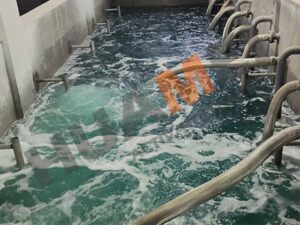
- Drinking water treatment (chlorine, organics, taste and odour)
- Industrial wastewater discharge treatment
- Air purification and VOC control
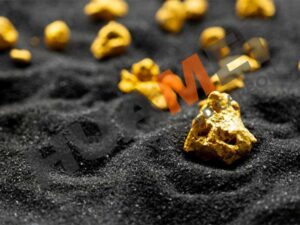
- Gold recovery (CIL/CIP processes)
- Solvent recovery
- Any application with measurable performance requirements
See our full range of trattamento dell'acqua and activated carbon filtration solutions.
From a Manufacturer's Perspective
Huamei Carbon was founded in 2001 and operates production facilities in Ningxia Province and Fujian Province (Zhangzhou and Quanzhou), with a combined annual output of approximately 10,000 tonnes. Our activated carbon goes through:
- Raw material selection and quality grading
- Carbonisation in controlled kilns
- Steam activation at 850–1,000 °C
- Screening, washing, and drying to target specifications
- Quality testing (iodine value, hardness, moisture, ash, CTC, pH)
- Packaging with COA (Certificate of Analysis)
Every batch is tested before shipment. We provide factory COA and support third-party inspection (SGS and others as requested by the buyer). Our products are certified under ISO, Kosher, and Halal standards. This level of quality control is what separates activated carbon manufacturing from charcoal production — and it's why the two products serve different markets at different price points.
Get the Right Activated Carbon for Your Application
Not sure which type of activated carbon fits your project? Share your application details with our team — we can help you select the right product grade and provide:
- Technical Data Sheet (TDS) for the recommended product
- Certificate of Analysis (COA) from recent production batches
- Free samples for your testing and evaluation
- Product recommendations based on your specific water quality, gas composition, or process requirements
Contact Huamei Carbon:
📧 Email: sale@huameicarbon.com
📱 WhatsApp: +86 181-3792-7803
🌐 Request a quote: huameicarbon.com/rfq
Domande frequenti
Is activated carbon just burned charcoal?
No. Charcoal is produced by pyrolysis (heating biomass without oxygen). Activated carbon undergoes an additional activation step — steam or chemical treatment at high temperature — that creates the microporous structure responsible for its adsorption performance. Additionally, activated carbon can be made from coal and other non-biomass materials that are not "charcoal" at any stage.
Can I use BBQ charcoal for water filtration?
Not recommended. BBQ charcoal may contain binders, lighter fluid residues, and inconsistent carbon content. It is not tested for contaminant removal and may introduce impurities into water.
Why is activated carbon more expensive than charcoal?
The activation process adds energy cost, processing time, and yield loss (activation burns away part of the carbon). Quality testing, grading, and packaging add further cost. The price reflects a product engineered for measurable, consistent performance.
What is the difference between activated charcoal products and industrial activated carbon?
Products marketed as "activated charcoal" for dietary supplements, teeth whitening, or cosmetic use are intended for personal care applications. Some may be produced using processes similar to industrial activated carbon; others may not. Whether a specific product meets food-grade or pharmaceutical-grade standards depends on the manufacturer's production process, testing, and regulatory certifications — which vary by product and jurisdiction. Industrial activated carbon is manufactured for water treatment, air purification, and chemical processing, with specifications and quality controls designed for those applications.
How do I verify that I am buying real activated carbon?
Request a Certificate of Analysis (COA) with iodine value, hardness, moisture, and ash content. Compare against industry standards (ASTM, AWWA B604). If the supplier cannot provide test data, the product may not be genuine activated carbon.
