Nigeria is one of Africa's most underexplored gold territories. The U.S. Geological Survey reported Nigeria's mine gold production at 2,646 kg (Au content) in 2024, citing data from Nigeria's Federal Ministry of Solid Minerals Development (USGS Minerals Yearbook, Volume III). This figure reflects officially recorded mine output and may not fully capture artisanal production. For comparison, Ghana recorded 5.94 million ounces in 2025 (Ghana Minerals Commission).
But Nigeria's gold sector is changing. Segilola Gold Mine in Osun State, operated by Thor Explorations, achieved first gold pour in July 2021 and reached commercial production in December 2021 — Nigeria's first modern commercial gold mine. In its FY 2025 fiscal year, Segilola poured 91,910 ounces of gold (Thor Explorations, FY 2025 Financial & Operating Results).
Beyond Segilola, Nigeria's artisanal and small-scale mining (ASM) sector is estimated to produce approximately 16.26 tonnes of gold per year (African Gold Report, 2024), the vast majority using gravity separation and mercury amalgamation rather than activated carbon-based processing. For carbon suppliers, the realistic near-term demand comes from industrial CIL/CIP operations and the small but growing number of semi-mechanized ASM operations transitioning to cyanide leaching.
This guide covers the activated carbon specifications that Nigeria's gold recovery operations require, how to import through Nigerian ports, the regulatory framework under the Minerals and Mining Act 2007, and what to evaluate when selecting a supplier for this emerging market.
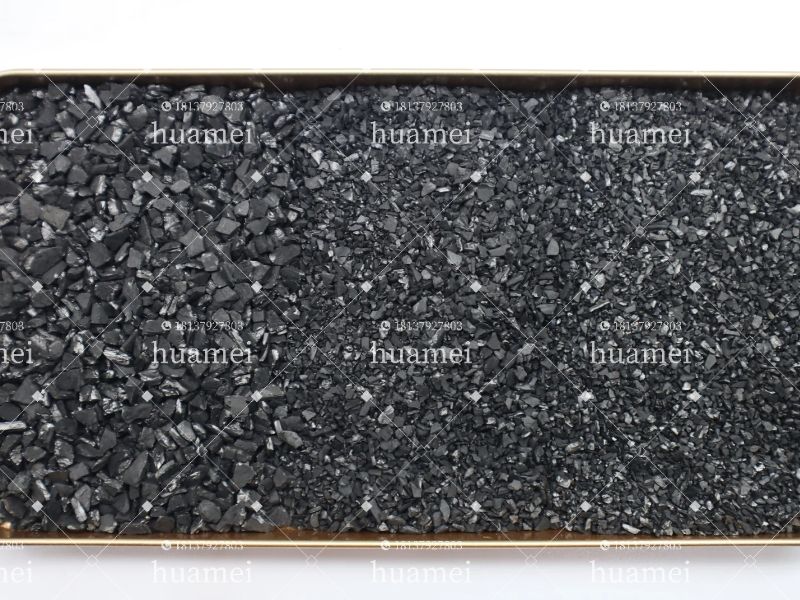
Nigeria's gold sector has two distinct segments: one modern industrial mine applying international metallurgical standards, and thousands of informal artisanal operations across northern and southwestern states. Understanding both is necessary for realistic market sizing.
| Parâmetro | Details | Source |
|---|---|---|
| Operator | Thor Explorations Ltd (TSX-V: THX) | Thor Explorations |
| Location | Osun State, southwestern Nigeria | Thor Explorations |
| Mine type | Open-pit, with underground
extension under evaluation |
FY 2025 Results |
| Processing method | CIL (carbon-in-leach) | Thor Explorations |
| First gold pour | July 2021 | Thor Explorations |
| Commercial production | December 2021 | Thor Explorations |
| FY 2025 ore processed | 962,891 tonnes at 3.19 g/t average grade | FY 2025 Financial &
Operating Results |
| FY 2025 gold poured | 91,910 ounces (~2.86 tonnes) | FY 2025 Financial &
Operating Results |
| FY 2024 gold poured | 85,057 ounces | Thor Explorations |
| Average recovery rate | 93.9% (FY 2025) | FY 2025 Financial &
Operating Results |
| FY 2025 revenue | US$325.5 million | Investegate /
Thor Explorations |
Segilola demonstrates that Nigeria can support international-standard gold recovery operations using CIL processing — the same technology used at major mines in Ghana and Tanzania. Its activated carbon procurement follows specifications comparable to any CIL plant globally.
| State | Region | Mining Activity | Notes |
|---|---|---|---|
| Osun | Southwest | Industrial (Segilola) + ASM | Nigeria's only operating
large-scale commercial gold mine; Ilesa gold belt |
| Zamfara | Northwest | Extensive ASM | Historically Nigeria's most active
artisanal gold state |
| Kaduna | Northwest | ASM + exploration | Birnin Gwari area; active
artisanal mining |
| Niger | North Central | ASM + exploration | Minna region; multiple
exploration licenses active |
| Kebbi | Northwest | ASM | Yauri and Zuru areas;
alluvial and hard-rock deposits |
| Oyo | Southwest | ASM + exploration | Ilesha-Ifewara gold belt extension |
| Kogi | North Central | ASM | Emerging gold district;
limited formal exploration |
What distinguishes Nigeria from Ghana or Tanzania: Nigeria is not a major gold producer today — it is a market with significant geological potential and government commitment to mineral diversification away from petroleum dependence. The Federal Government's initiatives, including the Presidential Artisanal Gold Mining Development Initiative (PAGMI), signal a policy direction that could expand formal gold mining infrastructure over the coming decade.
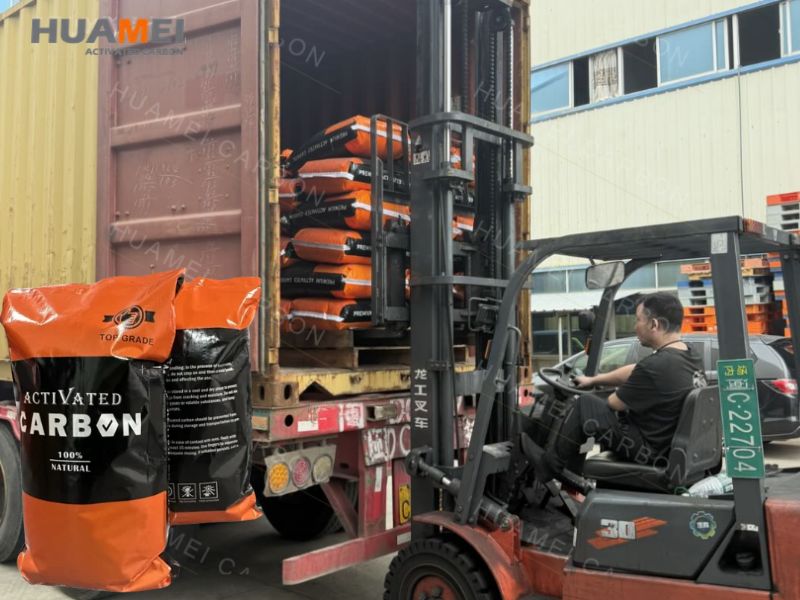
Nigeria's ASM sector is estimated to produce approximately 16.26 tonnes of gold per year (African Gold Report, 2024), far exceeding official recorded output. Most ASM production occurs in Zamfara, Kaduna, and Niger states. Key context for activated carbon suppliers:
Important distinction: ASM gold output should not be directly equated with activated carbon demand. Most ASM gold is recovered through mercury amalgamation, not carbon adsorption. The realistic near-term carbon market in Nigeria centers on industrial CIL/CIP operations and the gradually growing number of semi-mechanized operations adopting leaching technology.
The following specifications represent recommended parameters for activated carbon used in gold recovery via CIL and CIP circuits. Actual requirements vary by operation — ore chemistry, circuit design, gold tenor in solution, and reactivation equipment all influence the optimal carbon grade. These are guidelines for procurement evaluation, not universal mandates.
| Parâmetro | Recommended Range | Test Method | Purpose |
|---|---|---|---|
| Raw material | Coconut shell | — | High hardness and micropore
development; preferred for CIL/CIP globally |
| Número de iodo | ≥1,050 mg/g | ASTM D4607 | Indicates micropore volume;
correlates with gold adsorption potential but does not directly predict gold loading speed or capacity |
| Ball-pan hardness | ≥97% | ASTM D3802 | Determines carbon durability through
CIL tank agitation and thermal reactivation cycles |
| Teor de cinzas | ≤3% | ASTM D2866 | Lower ash reduces pore
blockage and mineral contamination in the gold room |
| Umidade | ≤5% | ASTM D2867 | Controls shipping weight
accuracy and initial adsorption readiness |
| Tamanho da malha | 6×12 (1.70–3.35 mm) | ASTM D2862 | Standard for CIL/CIP
inter-stage screens; balances adsorption kinetics with screening efficiency |
| Apparent density | 0.45–0.55 g/cm³ | ASTM D2854 | Affects carbon behavior
in screening, elution, and reactivation systems |
These parameters are consistent with what CIL operations globally use as procurement starting points. Each mine's metallurgical team will define their own acceptance criteria based on plant-specific testing.

Beyond basic physical and chemical specifications, gold mining operations evaluate activated carbon through performance testing that directly measures gold adsorption behavior. These indicators are critical for supplier qualification and cannot be replaced by standard specification sheets alone.
| Indicator | What It Measures | Typical Target | Why It Matters |
|---|---|---|---|
| K value (Adsorption
capacity) |
Total gold the carbon can hold
per unit weight at equilibrium (mg Au/g carbon) |
≥25 mg/g
(varies by test protocol) |
Higher K value means more
gold recovered per kg of carbon in circuit; directly impacts gold recovery economics |
| R value (Adsorption
rate / kinetics) |
Speed at which carbon extracts
gold from solution, typically measured over a fixed contact time |
≥95% in 1 hour
(varies by test protocol) |
CIL circuits require fast
adsorption because carbon and leach solution contact simultaneously; CIP is more forgiving on rate |
| Attrition /
Abrasion resistance |
Carbon mass loss under
mechanical stress (tumbling, screening, pumping) |
≤3–5% loss per cycle
(operation-dependent) |
High attrition means more
carbon lost as fines, increasing replacement costs and potentially contaminating gold room operations |
| Platelet formation | Tendency to generate flat,
disc-shaped carbon fragments during use |
Minimal | Platelets blind inter-stage screens,
cause carbon carryover to tails, and reduce effective carbon inventory in circuit |
K and R values are specific to your ore and leach solution. Published K/R numbers from a supplier's datasheet are tested under standardized lab conditions — they indicate relative carbon quality but do not predict exact performance in your plant. Always request sample carbon and run K/R tests with your actual leach liquor before committing to production volumes.
The choice between CIL and CIP processing affects which carbon properties matter most:
Segilola operates a CIL circuit, so both high K and high R values are important for its carbon procurement.
Nigeria's activated carbon imports (HS 380210) have been modest but show shifting supplier dynamics. Note that HS 380210 covers all activated carbon — water treatment, oil & gas, industrial, and gold recovery — not exclusively gold mining carbon.
| Year | Total Value (USD) | Total Quantity (kg) | Top Suppliers | Source |
|---|---|---|---|---|
| 2024 | $1,810,000 | 810,780 | India, Germany, China,
South Africa, Malaysia |
WITS / World Bank |
| 2025 | $1,516,000 | 673,858 | India ($717K, 341t), China ($665K, 296t),
Turkey ($82K, 30t) |
WITS / World Bank |
Notable shift: China's share of Nigeria's activated carbon imports rose significantly — from a minor supplier in 2024 to the second-largest by value in 2025, with $665K and 296 tonnes (44% of total import volume). India remains the top supplier by value.

| Stage | Estimated Timeline | Notes |
|---|---|---|
| Production + quality testing | 15–25 days (est.) | From order confirmation;
includes batch COA and optional third-party witness testing |
| Inland transport to Chinese port | 2–5 days (est.) | Fujian/Ningxia factory to Xiamen or Shanghai |
| Ocean freight (FCL) | 30–40 days (est.) | To Lagos (Apapa or Tin Can Island);
routing and transit time vary by carrier and season |
| Port clearance + customs | Variable | Nigeria Customs Service; timelines can be
unpredictable — experienced clearing agent strongly recommended |
| Inland transport to mine site | 1–3 days (est.) | Lagos to Osun State (Segilola) ~220 km
by road; Lagos to Zamfara ~900 km |
All timelines above are estimates based on typical shipping experience. Nigeria's port clearance times are generally less predictable than those in Ghana or Tanzania — work with an experienced Nigerian clearing and forwarding agent.
| Porto | Location | Notes |
|---|---|---|
| Apapa / Tin Can Island | Lagos | Nigeria's primary container port;
handles the majority of containerized imports; congestion is common |
| Lekki Deep Sea Port | Lagos (new) | Opened 2023; modern facilities,
reportedly faster clearance processing |
| Onne Port | Rivers State | Closest deep-water port to southeastern Nigeria;
lower congestion than Lagos |
Activated carbon is classified under HS 3802.10 in Nigeria's tariff schedule. Nigeria applies the ECOWAS Common External Tariff (CET). The main cost components include:
Consult a licensed Nigerian customs broker for current rates and a detailed cost projection before placing orders.
All mineral resources in Nigeria belong to the Federal Government under the Minerals and Mining Act (NMMA) 2007. The Mining Cadastre Office (MCO) administers mineral title applications on a first-come, first-served basis.
| License Type | Duration | Area Limit | Scope |
|---|---|---|---|
| Reconnaissance
Permit |
1 year
(non-renewable) |
— | Preliminary exploration
over large areas; non-exclusive |
| Exploration Licence | 3 years initial;
renewable in 2-year periods (up to 200 km²) |
Up to 200 km² | Detailed geological
investigation and sampling; exclusive rights |
| Small-Scale
Mining Lease (SSML) |
5 years (renewable) | Min. 5 acres – Max. 3 km² | Small-scale commercial
mining; Nigerian citizens and cooperatives |
| Mining Lease (ML) | 25 years (renewable) | Up to 50 km² | Large-scale commercial
mining |
Why this matters for carbon suppliers: Mining title holders are your verified, legitimate customers. The Ministry of Mines and Steel Development is actively encouraging investment in gold mining as part of Nigeria's mineral diversification strategy, which could increase the number of formal operations requiring activated carbon.
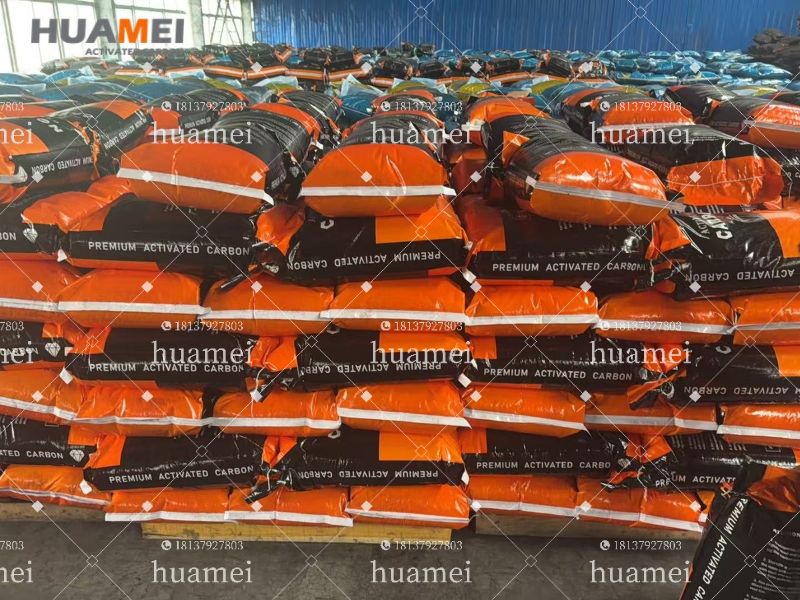
Every shipment should include a Certificate of Analysis showing iodine number, ball-pan hardness, ash content, moisture, mesh distribution, and apparent density — all tested per ASTM standard methods. For industrial mines, expect on-site verification testing before supplier qualification. A generic product datasheet is not sufficient for mine-site procurement.
Request sample quantities for laboratory and circuit testing before committing to production volumes. Gold adsorption capacity (K value) and adsorption rate (R value) tested on your specific ore and leach solution are the definitive measure of carbon suitability. Also evaluate attrition behavior and platelet formation tendency under conditions that simulate your circuit's mechanical stress. No specification sheet replaces actual performance data from your operation.
Suppliers with experience shipping to West Africa should provide all required documentation — commercial invoice, packing list, COA, certificate of origin, and Form M compliance documentation — accurately and on time. Incomplete or delayed paperwork is a primary cause of port demurrage charges in Lagos.
Nigeria's gold mining carbon market is still developing. Look for manufacturers who can supply initial trial quantities (one 20ft container / ~10 tonnes) with the production capacity to scale up as your operations grow or as you establish distribution channels.
| Factor | Nigeria | Ghana | Tanzania |
| Official gold output (latest) | 2,646 kg / 2024 (USGS) | 5.94M oz / 2025
(Ghana Minerals Commission) |
~2M oz / est. |
| Industrial CIL/CIP mines | 1 (Segilola) | 6+ major mines | 5+ major mines |
| ASM gold output (est.) | ~16 tonnes/year | ~96 tonnes/year | ~25–30 tonnes/year |
| AC imports HS 380210 (2025) | $1.52M / 674t (WITS) | ~$20M | ~$12M |
| Market stage | Emerging — first CIL
mine 2021 |
Mature — century-
old sector |
Established —
decade of growth |
| Primary AC demand driver | Water treatment + oil/gas
(today); gold mining (growing) |
Gold mining (dominant) | Gold mining (dominant) |
Nigeria's gold mining sector is at an early stage compared to Ghana and Tanzania. The activated carbon opportunity is real but modest in the near term — centered on Segilola and future CIL/CIP projects. For suppliers, the strategic question is whether to establish relationships now at lower volumes or wait for the market to mature.
📱 WhatsApp: +86 181-3792-7803 · 📧 sale@huameicarbon.com · 🌐 huameicarbon.com
The U.S. Geological Survey reported Nigeria's mine gold production at 2,646 kg (Au content) in 2024. The Segilola Gold Mine alone poured 91,910 ounces (~2.86 tonnes) in FY 2025 (Thor Explorations). Additionally, artisanal and small-scale mining is estimated to produce approximately 16 tonnes per year (African Gold Report, 2024), most of which is not reflected in official statistics.
For CIL/CIP operations, recommended starting specifications include coconut shell activated carbon with 6×12 mesh, iodine number ≥1,050 mg/g, ball-pan hardness ≥97%, ash ≤3%, and moisture ≤5%, tested per ASTM methods. Beyond these basics, evaluate K value (adsorption capacity), R value (adsorption rate), and attrition resistance using your specific ore and leach solution.
K value measures how much gold the carbon can hold per unit weight at equilibrium (mg Au/g carbon). R value measures how fast the carbon extracts gold from solution. Both are tested under laboratory conditions but must be validated with your actual leach liquor — published values from supplier datasheets indicate relative quality, not guaranteed plant performance.
Activated carbon (HS 3802.10) is subject to ECOWAS Common External Tariff import duty, 7.5% VAT, and various port charges. Nigeria imported $1.52 million of activated carbon in 2025 (WITS). Consult a licensed Nigerian customs broker for current duty rates and a detailed landed cost estimate.
Yes. Thor Explorations' Segilola mine poured 91,910 ounces in FY 2025, up from 85,057 ounces in FY 2024, with revenue reaching US$325.5 million. The Federal Government's mineral diversification strategy and multiple active exploration licenses across several states indicate continued growth in formal gold mining operations.
