
Carbon can be used as a polishing stage for selected dissolved organics and for reducing certain residual disinfectants. In a fixed bed, water passes through granular activated carbon (GAC). Powdered activated carbon (PAC) is dosed into water and subsequently separated. Choose the format around the equipment and the treatment objective. See Huamei’s water treatment applications for the wider range of uses.
| Aplicação | What to assess | Where carbon may fit |
|---|---|---|
| Boiler makeup | Residual disinfectant and selected dissolved organics | Before RO or ion exchange if the makeup treatment train calls for it. |
| Condensate return | Dissolved organic carryover or hydrocarbons after upstream separation | An optional polishing stage where testing confirms benefit. |
| Process dechlorination | Free chlorine or chloramine and the permitted residual | A fixed bed tested against the specific disinfectant. |
| RO pretreatment | Residual oxidants at the membrane inlet | A carbon stage where the membrane and pretreatment design support it. |
| Cooling tower makeup | Organic load and residual disinfectant | Evaluate alongside the cooling system’s biocide and corrosion-control programme. |
| High-purity process water | Target organics, extractables and hygiene | Use only within a qualified treatment train with defined release criteria. |
Start with the makeup water analysis and the boiler or demineralization supplier’s feed requirements. For residual disinfectant in makeup water, screen coal-based activated carbon grades using the inlet and outlet residuals and the vessel’s hydraulic limits. The deciding specifications will differ between chlorine reduction, dissolved organic removal and a combination of the two.
Where soluble mineral release is a concern, compare an acid-washed carbon with the standard grade using actual rinse or extractables data. Boiler pressure alone does not determine the carbon grade. Confirm silica, hardness, conductivity and dissolved solids against the full treatment train’s requirements.
| Parâmetro | What to request | Why it matters |
|---|---|---|
| Mesh and sieve distribution | A grade-specific distribution compatible with the vessel screens | Affects pressure drop, backwash and media retention. |
| Número de iodo | ASTM D4607 value on the grade sheet or COA | A comparison metric for the media. Use separate testing for chlorine or target organics. |
| Ball-pan hardness | ASTM D3802 result and agreed acceptance limit | Helps compare mechanical durability. |
| Ash and extractables | Total ash plus project-specific rinse or extractables results | Total ash does not identify how much of a specific constituent enters the water. |
| Apparent density and moisture | Batch data and the basis used for the reported mass | Supports bed loading and purchase quantity calculations. |
Condensate polishing treats returned steam condensate so it can be reused in the steam-water cycle. The treatment train depends on the contaminants present. Carbon can be evaluated for selected dissolved organics where the condensate temperature, water chemistry and equipment allow it.
| Finding | What to do before selecting carbon |
|---|---|
| Free oil or an intermittent oil spike | Trace the source, confirm isolation or diversion criteria, and evaluate upstream oil separation. |
| Dissolved organic carryover | Measure representative TOC and identify target compounds where practical. Compare coal and coconut-shell grades in representative condensate. |
| Hot condensate or tight pressure limits | Check media and vessel operating temperature, peak flow and allowable pressure drop. |
| Downstream ion exchange | Agree on the placement, carbon fines control, and sampling points with the system supplier. |
Huamei’s HMG-CS coconut shell activated carbon is one candidate for comparison. Request test data for the exact grade and representative condensate before choosing between feedstocks.
Activated carbon reduces free chlorine at the carbon surface. Chloramine service needs a separate evaluation because a grade sized for free chlorine may break through earlier when the feed changes to combined chlorine. Ask the water supplier about seasonal changes and measure free and total chlorine at the plant inlet.
| Feed condition | Media to evaluate | What to verify |
|---|---|---|
| Free chlorine | A GAC grade with relevant dechlorination data | Inlet and outlet free chlorine, peak flow and expected breakthrough. |
| Chloramine | A grade with demonstrated chloramine reduction, including catalytic GAC where suitable | Combined chlorine, representative pH and temperature, and outlet residual across the duty cycle. |
| Other oxidants or variable feed | A treatment strategy agreed with the membrane and process suppliers | Oxidant identity, compatibility, alarm criteria and shutdown response. |
Use the membrane manufacturer’s inlet limits and operating instructions to set monitoring and response thresholds. For example, DuPont’s FilmTec manual recommends removing residual free chlorine before membrane exposure. Choose the analyzer, sampling point and response procedure around the specific membrane, feed and treatment design. FilmTec technical manual
Empty bed contact time (EBCT) is the media-bed volume divided by the volumetric flow rate. Use the volume occupied by the media and flow units that match. EBCT is a sizing input. Select the design value using representative performance data, hydraulic constraints and the target outlet quality.
| Step | Calculation | Result |
|---|---|---|
| Assume total design EBCT | Illustrative value for arithmetic | 7 minutes across both vessels in series. |
| Total media volume | 500 US gal/min × 7 min | 3,500 US gal ≈ 13.25 m³ ≈ 468 ft³. |
| Estimate total media mass | 13.25 m³ × assumed apparent density of 480 kg/m³ | ≈ 6,360 kg, or 6.36 metric tonnes. |
| Divide the bed equally | Both vessels receive the full 500 US gpm in series | ≈ 6.62 m³ and 3.5 minutes EBCT per vessel. |
In lead–lag service, sample between vessels and at the final outlet. When the lead bed reaches the interstage changeout trigger, it is taken out of service and re-bedded. The former lag bed can then serve as lead and the fresh bed as lag, if the piping and operating plan support that sequence. Check whether one bed can meet the outlet limit during changeout at the intended flow. Use the selected grade’s hydraulic and backwash curves to size the vessel and freeboard.
Use the matrix to shortlist media, then specify the exact grade against the operating conditions. Browse Huamei’s granular activated carbon range for product options.

| Aplicação | Carbon to evaluate | Decision data |
|---|---|---|
| Boiler makeup | Coal GAC or acid-washed GAC where extractables are critical | Makeup water analysis, outlet limits, rinse data and downstream equipment requirements. |
| Condensate polishing | Coconut-shell and coal GAC candidates | Oil or organic speciation, return temperature, allowable pressure drop and test results. |
| Free chlorine removal or RO feed | GAC tested for free chlorine reduction | Residual, breakthrough curve, peak flow and membrane feed limits. |
| Chloramine removal | Media with demonstrated chloramine activity | Total and free chlorine, pH, temperature and outlet target. |
| Food, beverage or pharmaceutical process water | A grade with the documentation specified for that use | Project-specific regulatory requirements, extractables, rinse procedure and hygiene controls. |
| Cooling tower makeup | GAC where a defined removal target warrants a carbon stage | Biocide strategy, organic load, feed variability and changeout plan. |
Use ASTM method references to compare tests performed on the same basis. Request the actual batch result and acceptance limits in addition to the supplier’s typical values. ASTM carbon test methods
AWWA B604 covers granular activated carbon used for water treatment. Verify the contract-specified edition and acceptance criteria. Where NSF/ANSI/CAN 61 applies, check the exact product listing and scope for health effects of drinking-water contact materials. Confirm food or pharmaceutical requirements separately with the project’s quality team. AWWA standards list · NSF 61 overview
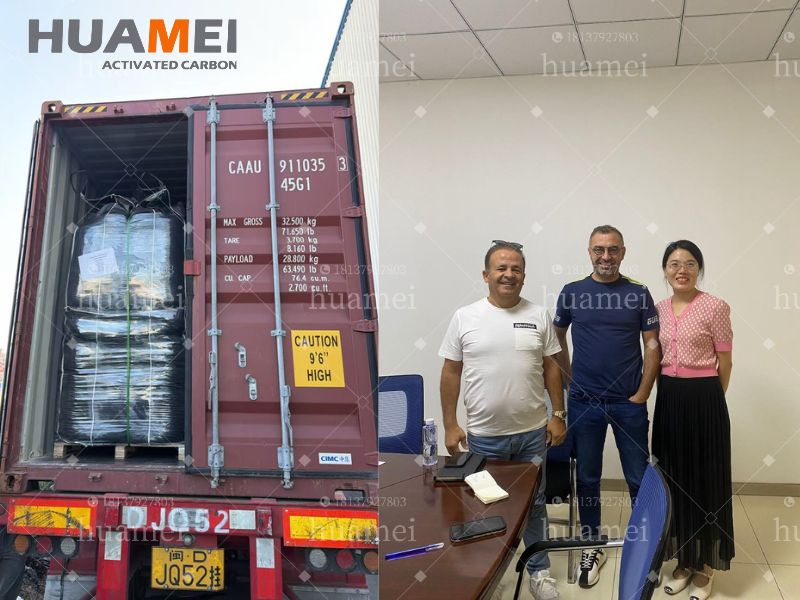
Send the data below to compare quotes on the same basis. Specify whether the quantity is an initial vessel fill, a trial or a recurring call-off order.
| Item | What to send or request |
|---|---|
| Water and operating data | Application, average and peak flow, inlet and outlet targets, pH, temperature and existing pretreatment. |
| Equipment | Vessel dimensions, number of beds, bed depth, screen retention, backwash and maximum pressure drop. |
| Grade and verification | Current media specification if known, grade-specific TDS, batch COA requirements and representative sample or column test plan. |
| MOQ and packing | Ask for grade-specific minimum order quantity, bag weights, pallet dimensions and container loading plan. |
| Pricing and schedule | State metric tonnes, Incoterm, destination and requested delivery date. Ask the supplier to confirm stock, dispatch and freight separately. |
For initial screening, request a representative sample and agree on a trial protocol suited to your water and outlet targets. Ask which documents and third-party tests are available for the quoted grade.
For dechlorination of makeup water, screen GAC grades against the actual disinfectant and outlet target. Where the treatment train has tight extractables limits, request grade-specific rinse data and compare acid-washed options.
Multiply peak flow by the selected EBCT to estimate bed volume. Multiply that volume by the grade’s apparent density to estimate media mass. Use performance and hydraulic data to select the EBCT.
Both are candidates for industrial water. Compare pore distribution, hydraulic behavior and performance for the target compounds in the source water. Ask for grade-specific test data before making the selection.
Set interstage and final outlet criteria for the target contaminant. Use sampling trends and the time needed to arrange a changeout. Track pressure drop separately to identify hydraulic fouling.
Carbon can be evaluated for selected dissolved hydrocarbons after suitable pretreatment. Identify free, emulsified and dissolved oil separately and confirm upstream separation and carbon performance with representative water.
