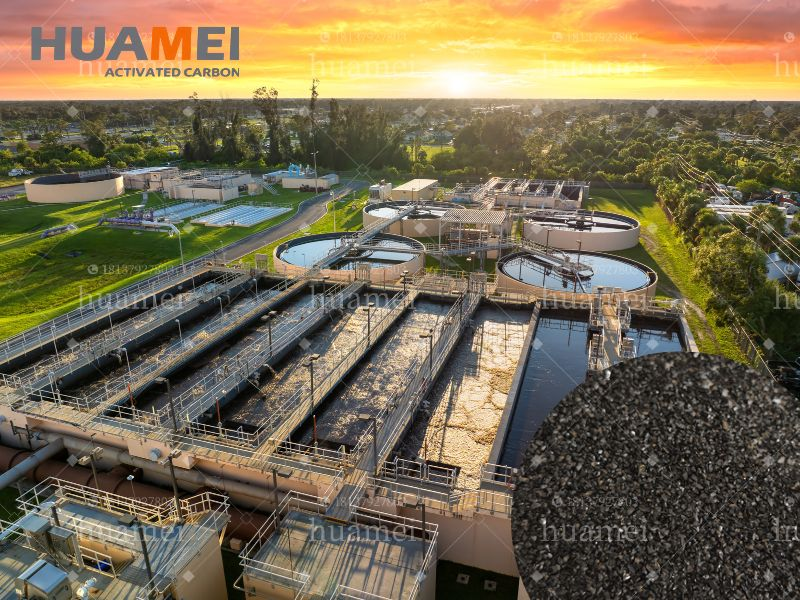
Compare GAC and PAC for drinking water, verify NSF 61 and AWWA requirements, calculate EBCT and media use, and prepare a municipal activated carbon RFP.
Define the water source, design and peak flow, target compounds and outlet criteria before choosing media. Include the vessel or dosing setup, particle-size limits, required product standards, exact-grade certification scope, sample test plan, batch documentation, and shipment and changeout requirements. Ask each bidder to identify exceptions against the same list.
| Jurisdiction | What to check |
|---|---|
| United States | PFOA and PFOS each have a 4 ng/L federal limit in the 2024 rule. Check the April 2029 compliance date and the EPA proposal for a conditional extension to 2031. EPA rulemaking |
| European Union | The directive distinguishes PFAS Total (0.50 μg/L) and Sum of PFAS (0.10 μg/L). Check national implementation. EU directive |
| Canada | Health Canada sets a drinking-water objective of 30 ng/L for the sum of 25 specified PFAS. Check provincial or territorial implementation. Health Canada |
Screen treatment options against the actual water matrix. Compare breakthrough for the compounds of concern, including short-chain PFAS where relevant. EPA treatment and cost analysis
Compare Huamei’s granular activated carbon (GAC) for fixed-bed filters and powdered activated carbon (PAC) for dosing systems.
| Decision | Granular activated carbon | Powdered activated carbon |
|---|---|---|
| Contact | Water flows through a fixed bed. | Powder is dosed and mixed into the water. |
| Process fit | Check vessel, bed depth, hydraulics and backwash. | Check feed equipment, mixing, contact and downstream solids separation. |
| Verification | Monitor outlet concentration and breakthrough. | Use representative-water dose trials and check solids carryover. |
NSF/ANSI/CAN 61 addresses health effects from substances that may migrate into drinking water. The AWWA standards list identifies B604 for GAC and B600 for PAC. Name the edition in the tender and verify numerical limits against that edition and the project requirements.
| Specification | What to request |
|---|---|
| Particle size | Effective size, uniformity coefficient and sieve distribution. |
| Physical properties | Bulk density, moisture, ash and abrasion or hardness results, with methods and units. |
| Adsorption indicators | Report iodine number alongside any application-specific test. Use breakthrough testing to evaluate PFAS performance. |
| Batch acceptance | Agree on test methods, reporting basis, limits and sampling before issuing a purchase order. |
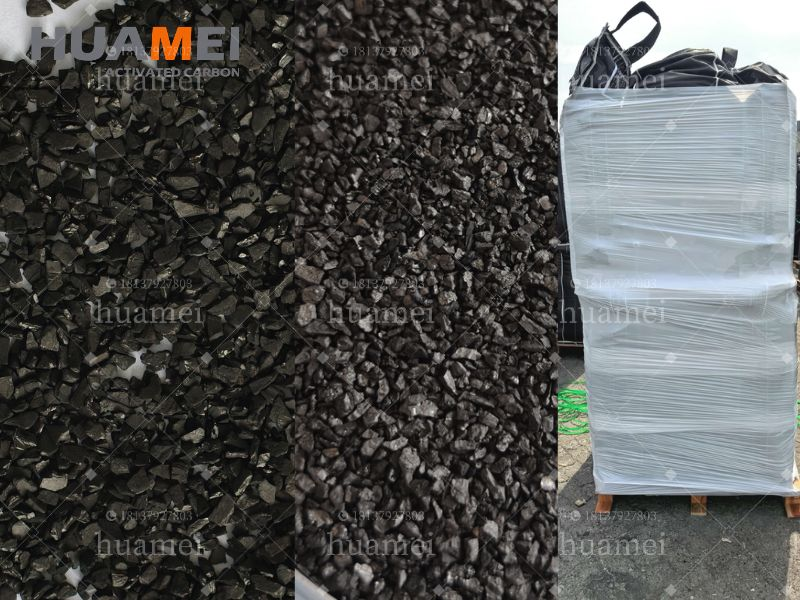
For a fixed-bed project evaluating coconut-shell media, see Huamei’s HMG-CS coconut shell activated carbon series for available grades.
| Application | Selection and verification |
|---|---|
| Municipal fixed bed | Compare grade-specific particle size, head loss and performance in source water. |
| PFAS treatment | Screen candidate GAC grades using compound-specific breakthrough data and representative water. |
| Seasonal taste and odour | Consider PAC if the plant can dose and separate it. Verify dose and contact time by trial. |
| Small systems and cartridges | Verify media compatibility, pressure drop and the exact certification scope required for the end use. |
EBCT in minutes = online bed volume in m³ ÷ flow in m³/min. For 1 million US gallons per day and 10 minutes EBCT, the online bed is about 26.3 m³. At 400–550 kg/m³ illustrative bulk density, the fill is about 10.5–14.5 metric tons. Account for standby vessels and filling losses separately.
| Design check | How to verify |
|---|---|
| GAC service life | Estimate operating time as bed volumes to breakthrough × bed volume ÷ flow. Use pilot data for the relevant contaminant and water. |
| PAC consumption | Dose in mg/L × treated volume in litres ÷ 1 billion gives metric tons. At 1 MGD, 20 mg/L and 90 days, the result is about 6.81 metric tons. |
| Changeout trigger | Set the outlet criterion and monitoring schedule before startup. Include time for procurement and changeout. |
| Requirement | Evidence to review |
|---|---|
| Local drinking-water approval | Confirm the jurisdiction, project specification and intended use with the buyer or approving authority. |
| NSF/ANSI/CAN 61 when specified | Check the certifier’s current listing against the manufacturer, exact grade, facility and use conditions. |
| AWWA or other product specification | Identify the edition, required test methods and acceptance limits. Request a grade datasheet and batch COA. |
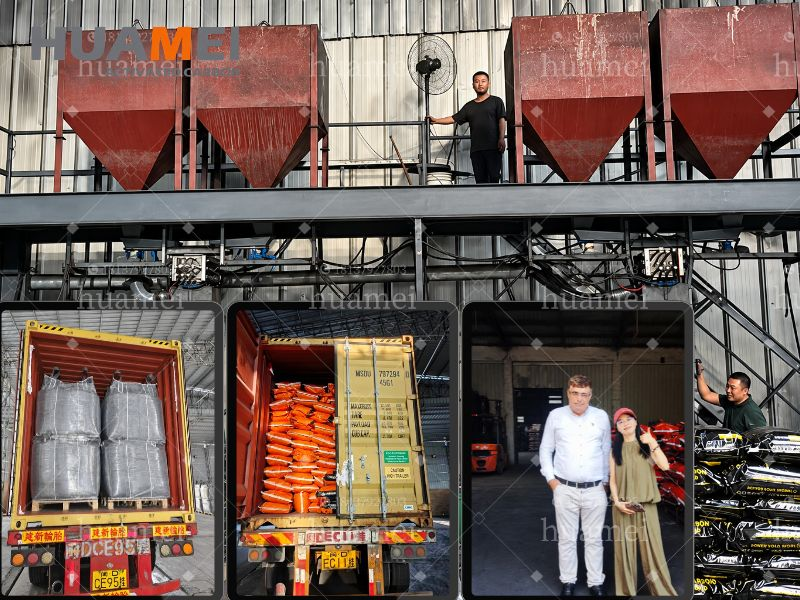
Send trial and regular order quantities, desired packaging, delivery destination and required arrival date. Ask the supplier to confirm MOQ, sample availability, dispatch date, freight terms and payment conditions in the written quote. Request the grade datasheet, a representative batch COA and safety data sheet.
| Step | What to verify |
|---|---|
| Representative sample | Ask for lot identification and a sample representative of production. |
| Independent testing | Agree on the methods, sample quantity and lab quotation for particle size, ash, moisture and other acceptance criteria. |
| Pilot or small-column trial | Use representative source water and define the breakthrough criterion. Confirm how the test translates to full-scale operation. |
| Shipment acceptance | Match the batch documentation to shipment labels and compare results against the agreed limits. |
Compare both options over the same operating period and treated volume. Include equipment, media, freight, changeout labour, disposal or reactivation, and downtime. For PAC, include dosing equipment and solids handling. Use written quotes and site test results as inputs.
Cost per 1,000 US gallons = total cost for the period ÷ total treated US gallons × 1,000.
Both can be candidates. For PFAS, compare the exact grades on representative water using the target compounds and breakthrough criteria. Feedstock and iodine number alone do not predict bed life.
Set a monitoring and changeout plan using the applicable outlet limit, breakthrough trends, sampling frequency and changeout lead time. Use site data to schedule replacement.
Specify acid washing when the application or tender calls for it. Verify the exact grade listing, applicable extraction requirements and startup rinse procedure. Acid washing alone does not establish compliance.
NSF/ANSI/CAN 61 addresses health effects from drinking-water contact materials. AWWA B604 covers granular activated carbon as a water-treatment product. Confirm the applicable edition and certification scope for the project.
Include water source and flow, target compounds and outlet limits, media form, bed or dosing configuration, particle-size requirements, acceptance limits and test methods, certification scope, sample testing, lot documentation, and delivery and changeout requirements.
